Research, education, dialogue and data — joined into one practical pathway for preventing violence and building cooperative societies.
Our Approach
Every programme follows the same disciplined cycle, combining rigorous analysis with practical, community-owned action.
Map actors, history, needs and structural drivers using sound social science.
Build peace literacy so conflict dynamics are recognised early and met constructively.
Track social indicators showing whether trust, cohesion and inclusion improve.
Bring people into structured dialogue and turn agreements into shared institutions.
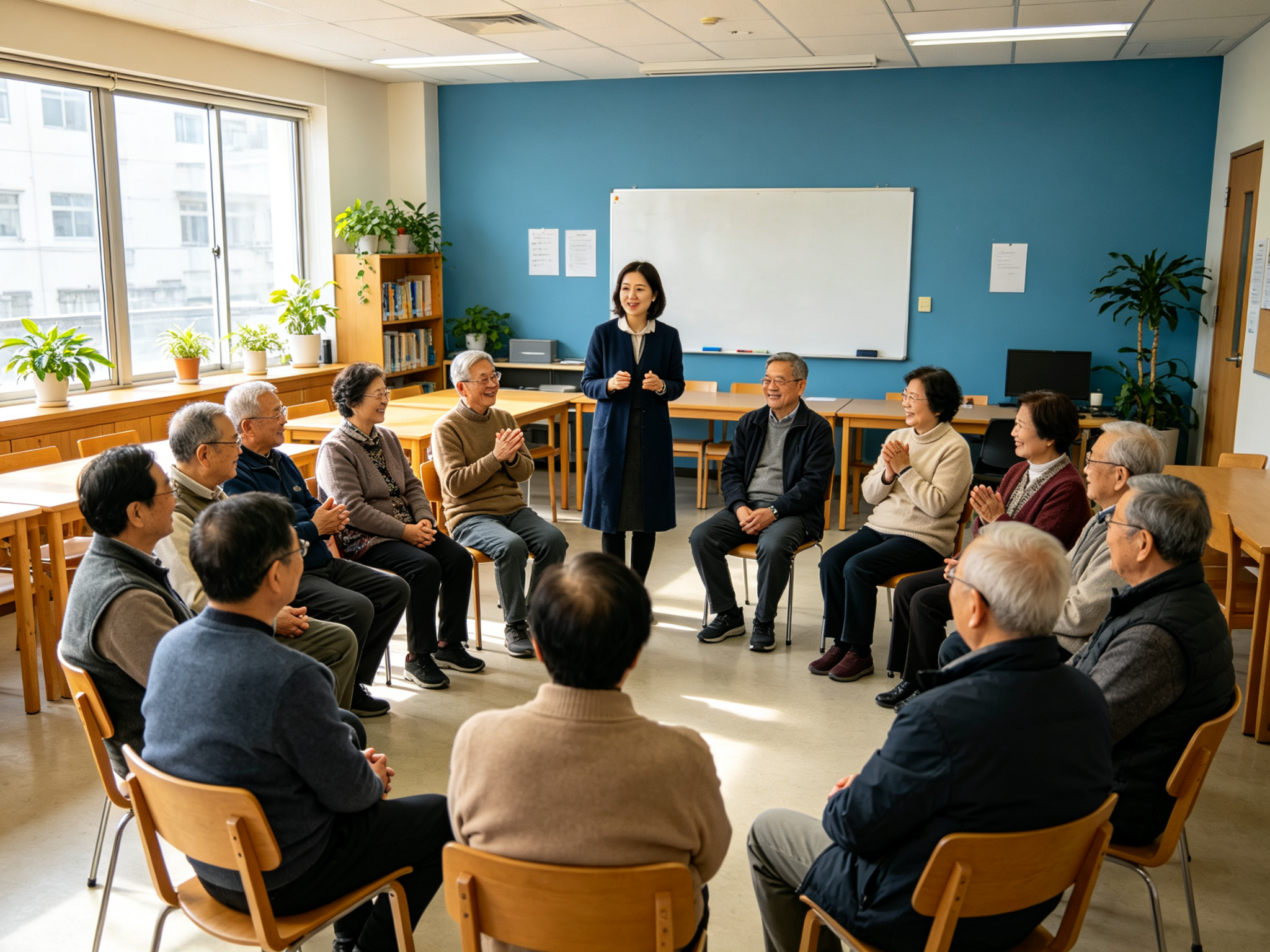
Programme 01
Peace literacy is to conflict what reading literacy is to text: a foundational competence every citizen can learn. Our curricula, workshops and school materials translate conflict science into accessible, age-appropriate learning.
Programmes cover conflict understanding, emotion regulation, empathy, prejudice reduction and non-violent communication, for schools, community groups and professionals.
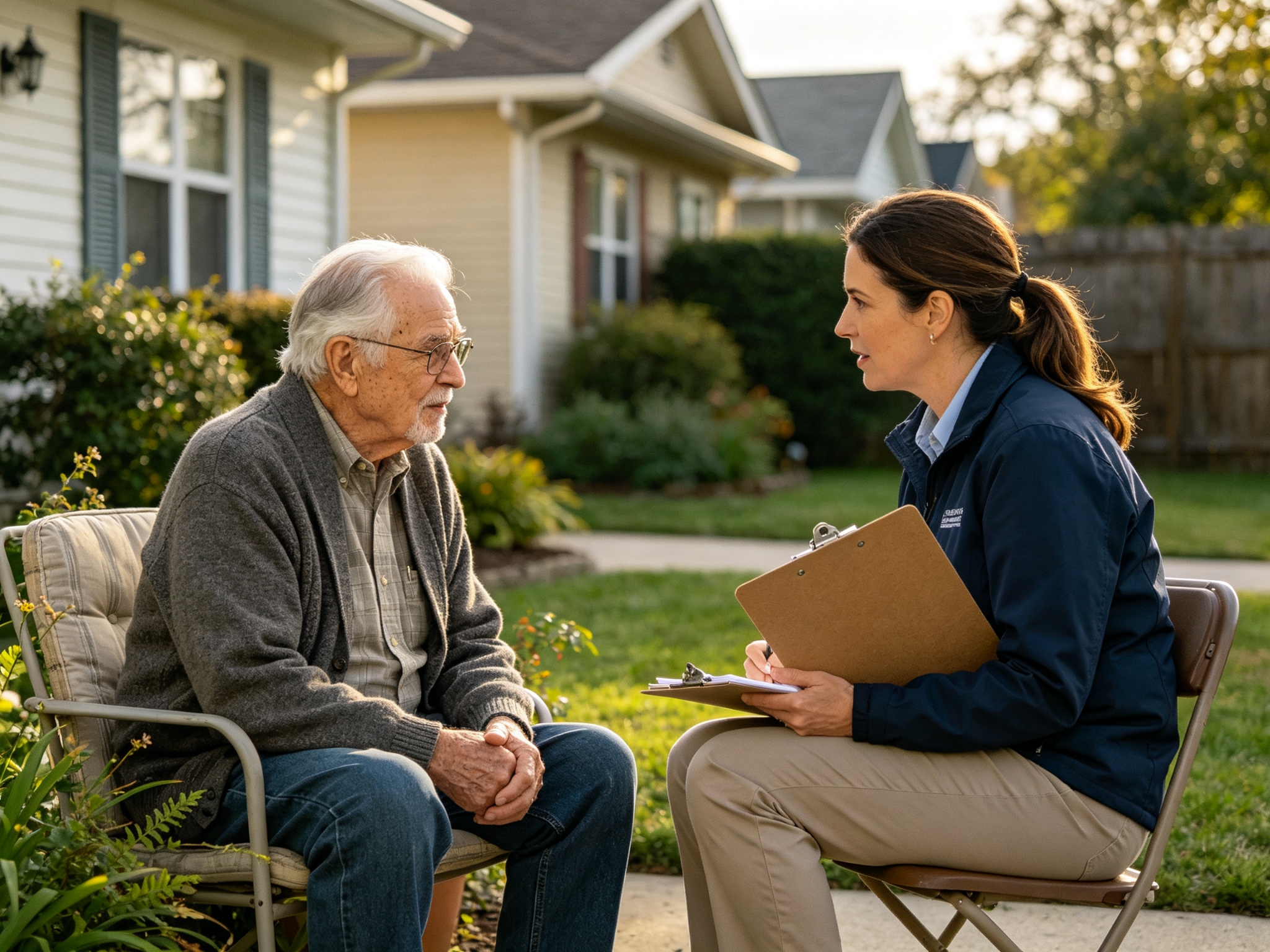
Programme 02
We study how conflicts escalate and de-escalate, documenting cases where dialogue, cooperation and fair institutions have produced durable non-violent outcomes.
Our researchers combine qualitative fieldwork with quantitative analysis, producing open briefs that communities and policymakers can actually use.
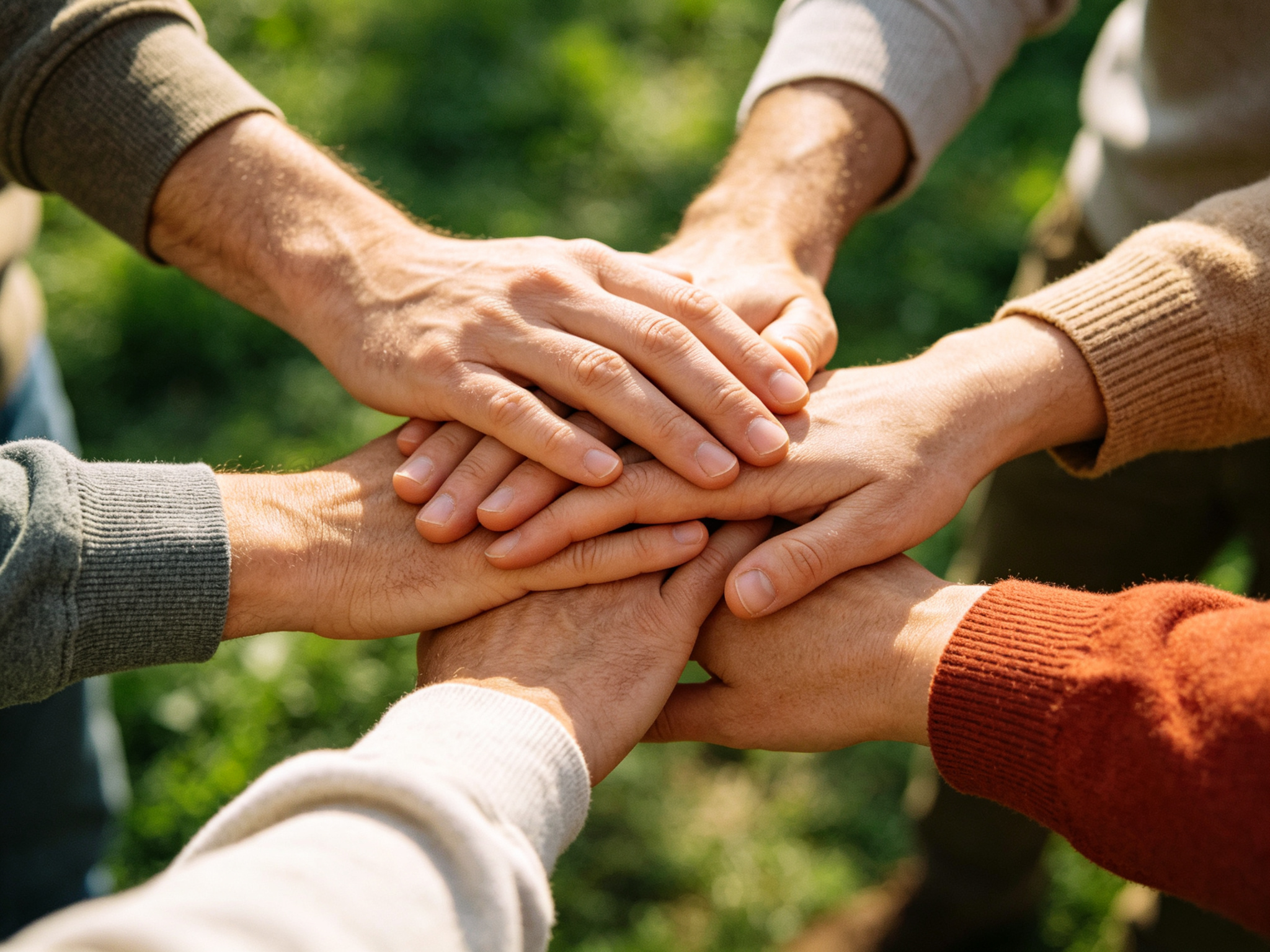
Programme 03
You cannot build what you cannot measure. We develop social indicators and monitoring systems for cohesion, inclusion, trust and conflict risk.
Dashboards and community scorecards turn abstract goals into shared evidence, supporting the global commitment to peaceful and inclusive societies.
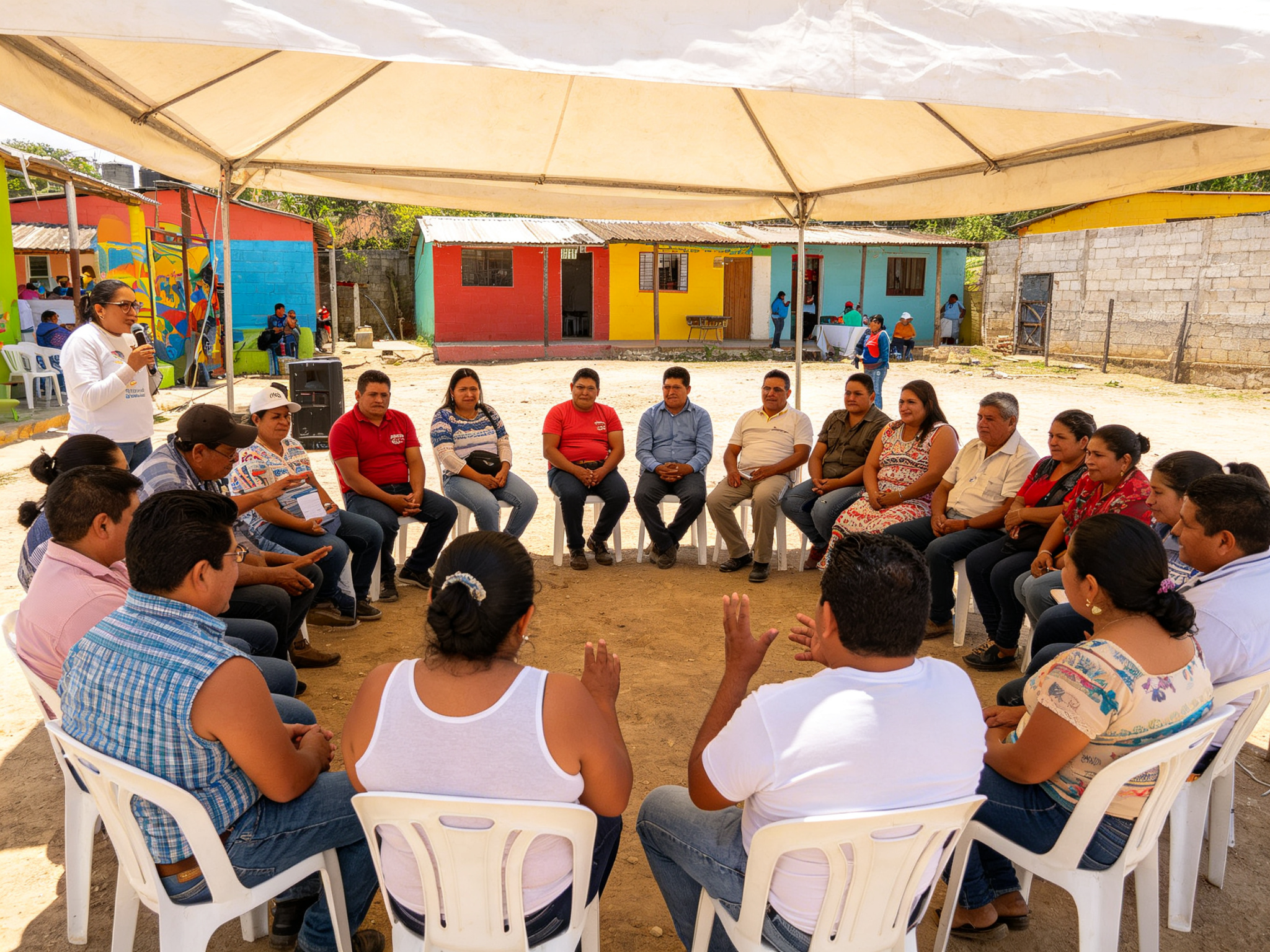
Programme 04
We facilitate structured dialogues where divided parties can speak, listen and identify shared interests, and we train the next generation of facilitators and mediators.
From community circles to training of trainers, capacity building multiplies peaceful skills far beyond our own team.
Countries of Activity
Our work has international scope. The countries below are recorded in our United Nations civil society profile.
Home of our Stockholm headquarters and our Nordic peace education programmes.
Community mediation and cooperative dialogue projects with local partners.
Research cooperation on social cohesion and non-violent conflict transformation.
Peace literacy and school-based programmes within regional networks.
Through our ECOSOC special consultative status (since 2021), we share independent evidence on peace literacy, social development and non-violent conflict transformation with United Nations processes.
About Our Consultative StatusPartner with us, volunteer your skills, or support independent peace research and education. Every contribution strengthens a culture of non-violence.
